
Hi! It’s konkaz (@konkazuk).
Have you ever come across comments like, “Is this summer’s extreme heat because of El Niño?”
I remember hearing the term El Niño long before I became interested in climate change. Back then, I thought of it simply as a natural phenomenon that occurs from time to time somewhere on Earth. And to be honest, I never really gave it much thought.
However, as the climate crisis has become more serious, I started seeing the word El Niño more and more often. Eventually, I felt that this was something I should understand properly, so I decided to take a closer look at it this time.
In this article, I’ll explore what El Niño actually is, what causes it, and how it relates to the climate crisis we are experiencing today.
What is El Niño?
First, let’s take a quick look at what the El Niño phenomenon is.
In simple terms, El Niño is:
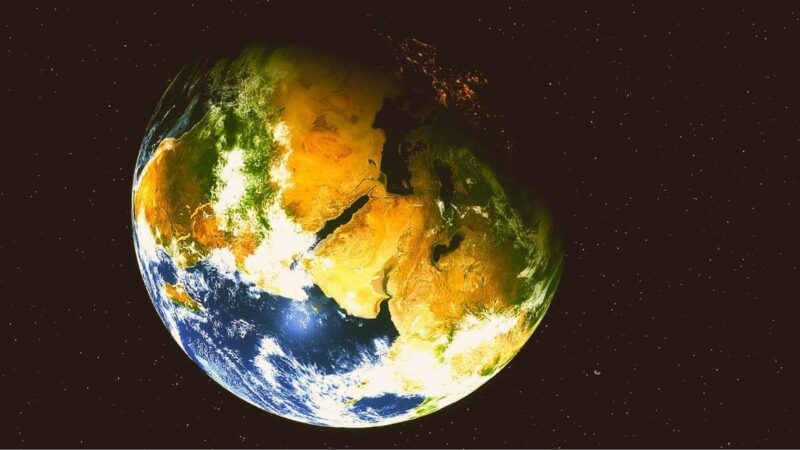
A natural climate phenomenon in which sea surface temperatures near the equator in the Pacific Ocean become warmer than normal, influencing weather patterns around the world.
Under normal conditions, ‘trade winds‘ blow from east to west across the tropical Pacific, pushing warm surface water towards the western Pacific.
This means that off the coast of South America, less warm water remains near the surface. As the surface water is pushed away, cold water from deeper in the ocean rises up to replace it.
However, if the trade winds weaken for some reason, their ability to push warm surface water towards the west is reduced. The warm water that has accumulated in the western Pacific then begins to move eastwards.
This causes sea surface temperatures in the central and eastern Pacific to rise above normal levels. If these warmer-than-normal conditions persist for several months or longer, the event is known as El Niño.
You might be thinking, “The ocean gets a little warmer — so what?”
Well, the Pacific is the largest ocean on Earth. When the temperature of such a huge body of water changes, it can affect atmospheric circulation, which can then influence temperatures and rainfall in different parts of the world.
And that can make extreme heat, heavy rain and droughts more likely to occur.
El Niño: A complex interaction between the ocean and the atmosphere
El Niño isn’t simply about the ocean getting warmer. What’s really happening is a complex interaction between the ocean and the atmosphere, with each one affecting the other.
When sea surface temperatures in the Pacific change, they also affect the temperature and movement of the air above the ocean. Those changes in the atmosphere then feed back into the ocean, changing conditions there in turn.
In this way, the ocean and the atmosphere interact almost like they are having a conversation, with each influencing the other. And this interaction can lead to major changes across the Pacific as a whole.
This whole cycle of changes between the ocean and the atmosphere is known as ENSO, or the El Niño–Southern Oscillation. And ENSO isn’t just about El Niño. It also includes La Niña — the opposite phase, when sea surface temperatures across the tropical Pacific are cooler than average rather than warmer.
Although El Niño and La Niña may appear to be opposite phenomena, both are actually part of the same cycle of ocean and atmospheric changes centred around the Pacific.
And because the Earth’s oceans and atmosphere interact in highly complex ways, it remains difficult to predict exactly when an El Niño event will occur and how strong it will be.
For this reason, scientists continue to work to detect the early signs of an El Niño event as soon as possible.
What is happening in the world right now?
One reason El Niño has attracted increasing attention around the world in recent years is that more and more places are experiencing record-breaking temperatures and extreme weather events.
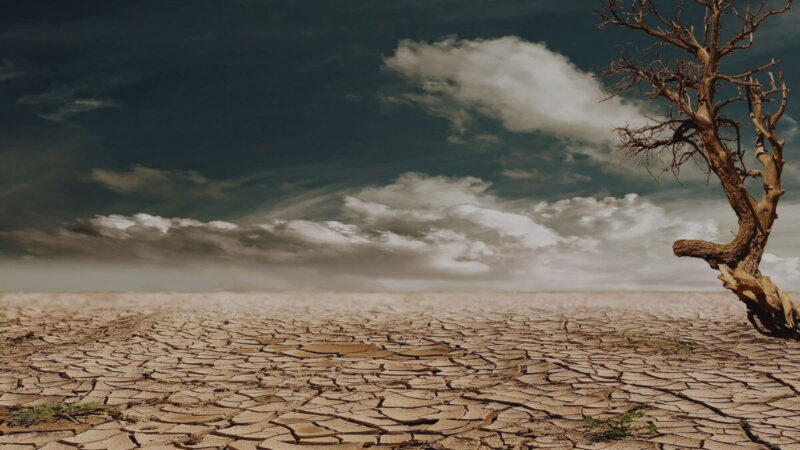
During the El Niño event from 2023 to 2024, exceptionally high temperatures were recorded in many parts of the world, along with a range of other impacts, including not only extreme heat but also flooding caused by heavy rainfall and severe droughts.
However, El Niño alone cannot explain the climate changes we are experiencing today.
El Niño is a natural climate variation that occurs every few years. Climate change, by contrast, refers to the long-term rise in global temperatures caused largely by human activities such as the use of fossil fuels.
In other words, El Niño can temporarily push temperatures higher, but it is doing so on top of a global average temperature that has already risen because of global warming.
The problem is that global temperatures have risen so much that we can no longer simply say, “It’s hot because of El Niño.”
El Niño is a natural climate phenomenon, while climate change is driven by human activity. And when the two overlap, heatwaves, droughts, and extreme rainfall can hit agriculture even harder. The result is that the global food system itself is now facing a major challenge.
Until next time,
konkaz
*You can read this blog post in Japanese from the link below.
👉 エルニーニョ現象とは?なぜ起こるのか、気候変動や異常気象への影響を解説