
Hi! It’s konkaz (@konkazuk).
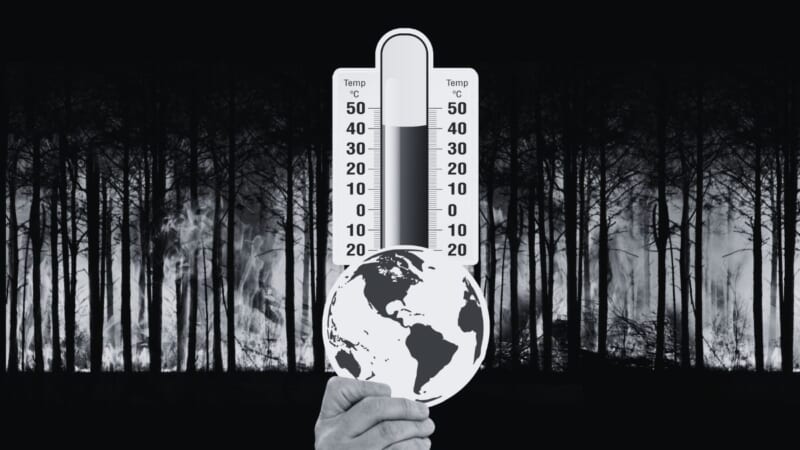
There are two words we often come across when reading articles about climate change: “Mitigation” and “Adaptation”.
But what do these two terms actually mean in practice when it comes to tackling climate change?
And why are they often discussed together?
In this article, we’ll look at what mitigation and adaptation, two fundamental approaches to tackling climate change, actually mean and what sort of actions they involve in practice.
What’s the difference between Mitigation and Adaptation?
First, mitigation means…
Taking action to limit climate change itself.
Specifically, this means reducing greenhouse gas emissions caused by human activities.
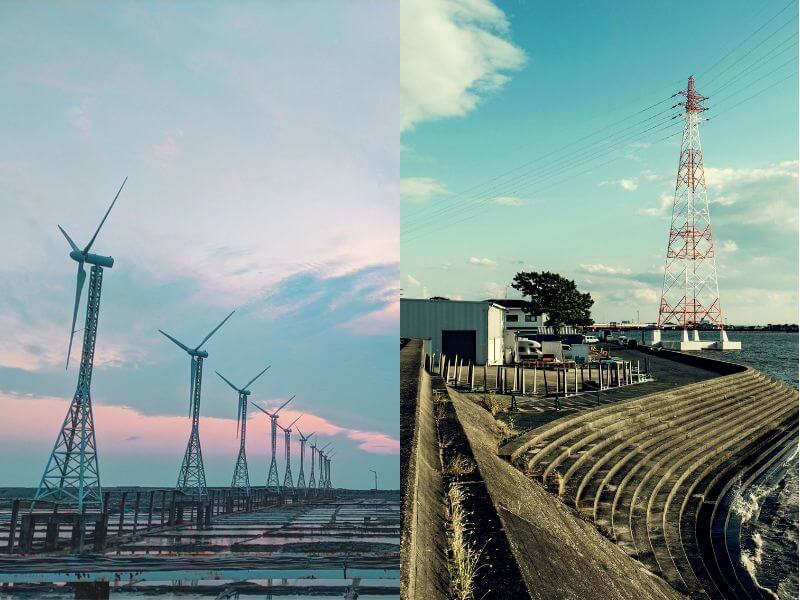
For example, this includes reducing greenhouse gas emissions from sources such as fossil fuel power plants and farms, while switching to renewable energy and improving energy efficiency.
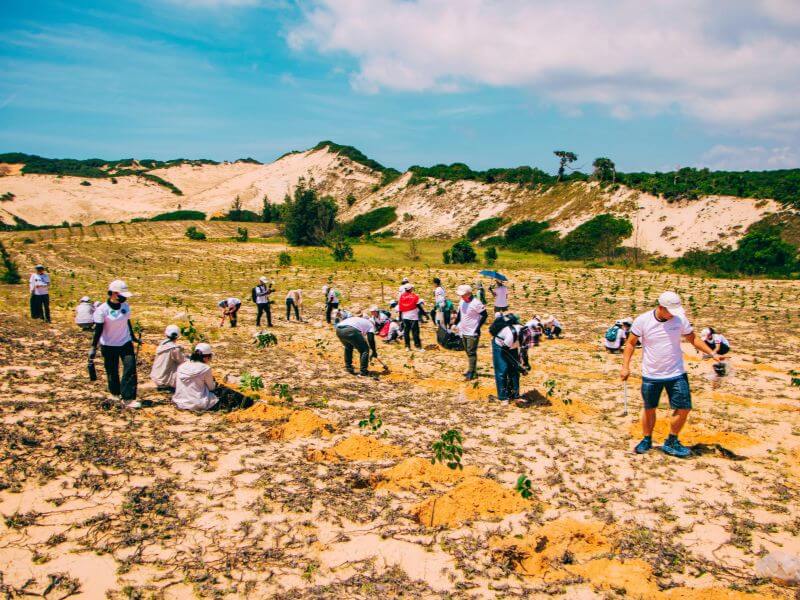
Similarly, protecting the ability of forests, oceans and soils to absorb CO₂ and remove it from the atmosphere is another important part of mitigation.
Under the Paris Agreement, each country is required to set and submit its own greenhouse gas reduction targets and plans for action, known as NDCs (Nationally Determined Contributions).
NDCs are updated every five years, and countries are expected to set increasingly ambitious targets and take action to reduce their greenhouse gas emissions. (However, the progress countries made in submitting their NDCs ahead of last year’s COP30 was far from encouraging…)
On the other hand, adaptation means…
Taking action to prepare for the impacts of climate change that are already happening or are expected to occur in the future.
In practice, adaptation means preparing for the various impacts of climate change and reducing the damage they cause.
For example, we can build flood barriers and improve drainage systems to reduce the damage caused by flooding, or create more green spaces in cities to help reduce heat.
Introducing crops that are more resistant to drought and high temperatures is another form of adaptation.
In other words, it’s helpful to think of it this way:
Mitigation → Tackling the causes of climate change
Adaptation → Dealing with the impacts of climate change
Can one measure do both?

In the previous section, we looked at the difference between mitigation and adaptation. But in fact, some measures can actually play a role in both.
For example, let’s say we plant trees and increase green spaces in a city dominated by concrete buildings and paved streets.
The trees provide shade and help lower the temperature in the surrounding area.
This is a form of adaptation because it helps tackle the urban heat island effect and extreme heat. At the same time, since plants absorb CO₂, it also contributes to mitigation.
Improving public transport is another measure that can have both benefits.
For example, increasing the frequency of buses and trains and expanding their routes can make it easier for people to get around without a car. If this leads to less car use, it can help reduce greenhouse gas emissions. This is an example of mitigation.
We can also improve drainage systems along roads and railways to reduce flood damage, and provide more shade at stations and bus stops to make them more comfortable to use during extreme heat.
In this way, a single measure can serve both purposes: reducing greenhouse gas emissions (mitigation) and preparing for the impacts of climate change (adaptation).
In other words, rather than thinking about mitigation and adaptation separately, it’s also important to consider how they can work together to make a bigger difference.
Should we tackle both at the same time?
However, pursuing mitigation and adaptation at the same time doesn’t mean that everything will be solved.
That’s because the two approaches don’t always work towards the same goal.
For example, installing a large number of air conditioning units can help people cope with extreme heat as a form of adaptation. However, if the electricity they use comes from fossil fuels, this can increase greenhouse gas emissions, making it counterproductive from a mitigation perspective.
Also, while renewable energy helps reduce greenhouse gas emissions, building large-scale energy facilities can destroy wildlife habitats. Mining the minerals needed for solar panels and batteries used to store electricity can also put pressure on water resources and affect the lives of local communities.
And as climate change gets worse, even measures that have worked well until now may stop being effective.
For instance, buildings and infrastructure designed for the temperatures we’ve experienced in the past may struggle to cope as temperatures rise further. This means we’ll need to keep adapting and updating existing designs and measures as conditions change, rather than assuming that what worked before will continue to work in the future.
A UNEP report published in early September also points out that, as temperatures continue to rise and climate change gets worse, we can’t just make an adaptation plan and leave it at that. We need to keep reviewing and updating our plans as the situation changes.
When it comes to tackling climate change, we can’t just focus on the problems we’re dealing with today. We also need to look ahead and be ready to change the way our society works as the situation evolves.
Until next time,
konkaz
*You can read this blog post in Japanese from the link below.
👉 気候変動対策とは?「緩和」と「適応」の違いをわかりやすく解説