
Companies produce and sell products to make money.
But what if the rest of society has to deal with the pollution and health problems caused by their activities? What would you think about that?
When we buy something, we often assume that its price reflects what it costs to make. But if we include the environmental damage, pollution-related health problems and the cost of dealing with them, the actual cost could be much higher.
And if the government uses taxpayers’ money to deal with these problems, it means that we, as ordinary people, are picking up part of the bill for costs that companies haven’t paid.
This kind of hidden financial advantage, which happens when the social and environmental costs of production are not fully included in product prices, is called an “Implicit Subsidy”.
In this article, I’d like to look at what Implicit Subsidies are and how they affect our society and the environment.
What are implicit subsidies?
Implicit Subsidies are…
situations where companies benefit financially by not paying some of the costs they should normally be responsible for.
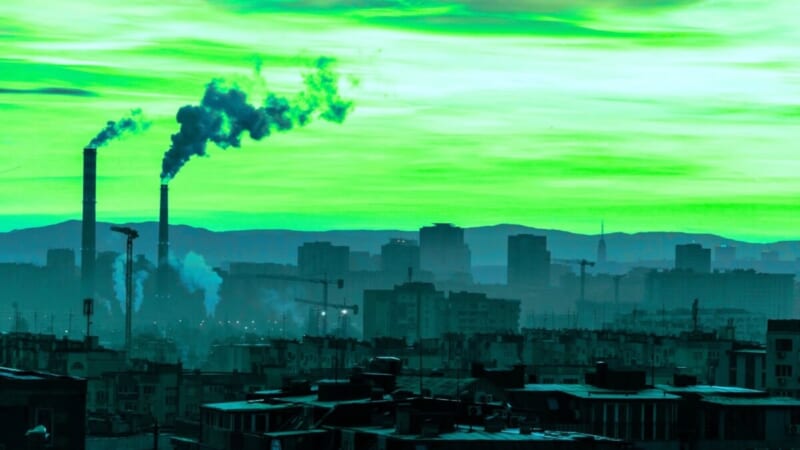
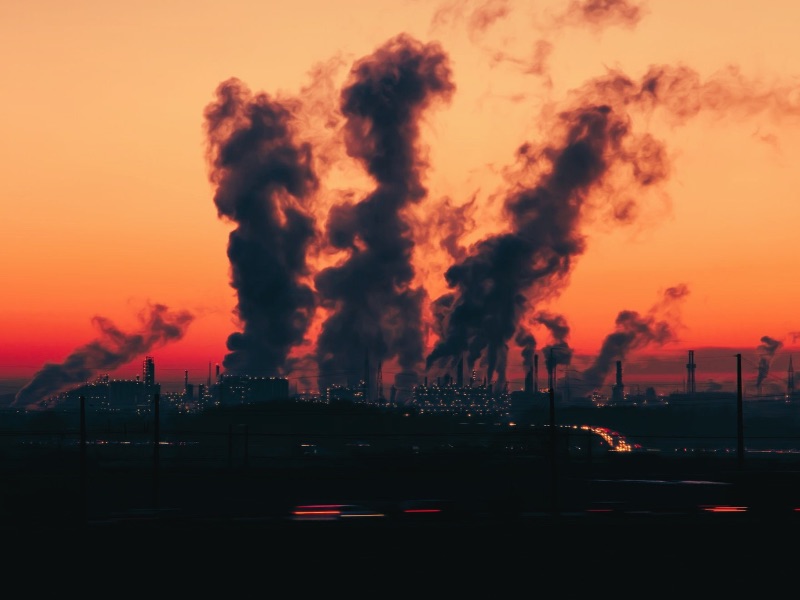
For example, imagine a company’s factory is causing air pollution.
If this pollution affects the health of local residents, they may need medical treatment, leading to healthcare costs and difficulties in their everyday lives.
But if the company running the factory does not fully cover the costs of this damage, the local residents and society end up paying the rest.
From the company’s point of view, not having to pay some of the costs it should normally cover gives it a financial advantage in producing goods and running its business.
The government isn’t handing money directly to the company, but the company is still getting a financial benefit by not paying some of the costs it should cover. This creates an effect similar to receiving a subsidy.
This is what is known as an implicit subsidy.
Explicit subsidies vs implicit subsidies

When people hear the word “subsidy”, they often imagine the government giving money to companies to support them.
But that’s not the only way companies can receive financial benefits. There are two main types: explicit subsidies and implicit subsidies.
■ Explicit Subsidies
This is when the government supports companies by giving them money directly or offering tax breaks and other financial benefits.
But why do only certain companies receive these subsidies?
In many cases, it’s because the government wants to encourage industries it sees as important or support businesses that it believes will benefit society as a whole.
For example, the government might give financial support to solar power companies to encourage more people to use renewable energy. By increasing the use of solar power, the aim is to reduce our reliance on fossil fuels and cut CO₂ emissions.
Governments may also offer tax breaks or subsidies to certain industries to support new technology, create more jobs and help local economies grow.
In other words, the government supports certain companies and industries to make it easier for them to carry out projects that might be difficult to achieve on their own, while encouraging activities that benefit society as a whole.
■ Implicit Subsidies
On the other hand, this does not involve the government giving money directly to companies.
For example, if there are not enough rules in place to prevent environmental pollution, or if there is no system requiring companies to pay for the environmental damage they cause, companies can avoid some of these costs.
As a result, local residents and society as a whole end up paying for part of the costs that companies should normally be responsible for.
This can happen when the use of fossil fuels causes air pollution and climate change, but companies do not fully pay for the costs of the damage.
The key difference between the two is whether the government provides direct financial support or tax benefits to companies, or whether companies benefit indirectly by not having to pay costs they should normally be responsible for.
How do implicit subsidies occur?
This is where the ideas of internal costs and external costs come in.
■ Internal Costs
Internal costs are the costs a company has to cover when making products or providing services.
For example, in the case of a factory, these may include:
⚫ The cost of raw materials
⚫ Wages and salaries
⚫ Electricity and fuel bills
⚫ The cost of maintaining the factory and its equipment
⚫ Transport costs
These are the costs a company has to pay to keep its business going. They are usually included in the prices customers pay for its products or services.
■ External Costs
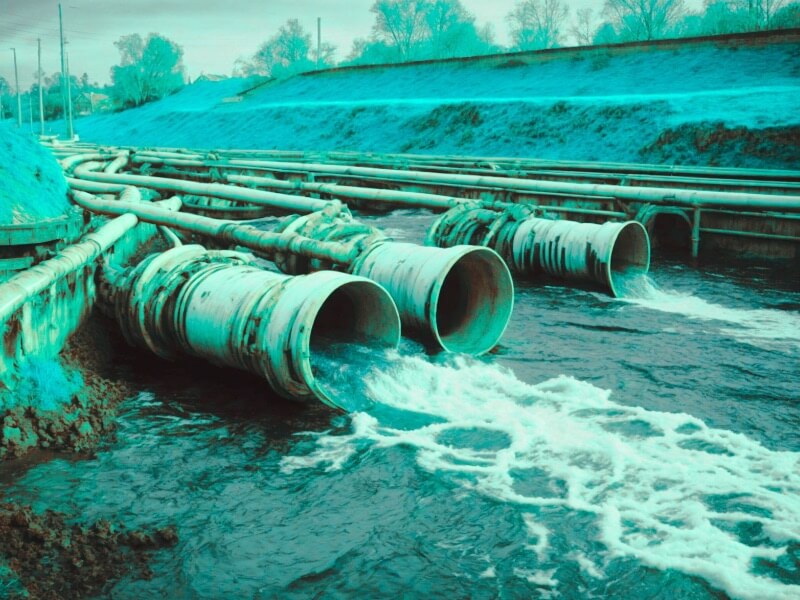
External costs are the costs that a company’s business activities create for other people or society.
Examples include health problems caused by air pollution from factories and the effects of climate change caused by the use of fossil fuels.
Although these costs result from companies’ profit-making activities, the companies themselves do not always fully cover the costs of preventing or dealing with the resulting damage.
As a result, local communities and society as a whole end up dealing with the effects, such as higher medical costs and environmental damage.
In other words, the costs companies pay themselves are not the same as the costs their activities create for society.
🔹 How does VAT fit in?
As mentioned above, these are the internal costs involved in producing goods.
Businesses usually cover costs such as raw materials and wages using the money they earn from selling their products. They can also reduce these costs by receiving direct government support, known as explicit subsidies.
When products are sold, the price may include Value Added Tax (VAT). In the UK, VAT is charged on many everyday goods and services.
The money collected through VAT is used to provide and maintain various public services, such as roads, education, healthcare and national security.
However, the important point here is that not all the costs of business activities are necessarily included in the prices of the goods and services we buy.
For example, the social costs (External Costs) caused by air pollution and CO₂ emissions from burning fossil fuels may not be fully reflected in the price of fuel.
Just because VAT is charged does not mean that the social costs of environmental pollution and CO₂ emissions are included in the prices of goods and services.
When businesses do not fully pay for the environmental damage they cause, part of the cost is passed on to local communities and society as a whole. This is one of the ways implicit subsidies arise.
🔹 What about AI data centres?
With the rapid spread of AI, AI data centres are being built in many parts of the world.
These data centres need huge amounts of electricity to operate large numbers of servers. At the same time, they require significant amounts of water for cooling.
Companies may cover the costs of servers, equipment, land, electricity and water. But there can be other costs behind the scenes. For example, their operations may put pressure on local water supplies, and new power infrastructure may be needed to cope with the increased demand for electricity.
Noise from these facilities (which can apparently be quite loud) and waste heat may also affect the living conditions of nearby residents.
If companies do not fully cover the costs of dealing with these problems, some of the burden may fall on local residents and ordinary electricity users.
For example, if building a data centre creates the need to upgrade the electricity network, and the costs are shared not only by the company operating it but also by ordinary households and other electricity users, this could be a case of implicit subsidies.
Just because a company pays its electricity and water bills does not mean that implicit subsidies do not exist. The important question is who actually ends up paying for the costs of its activities.
🔹 What about fossil fuels?
The fossil fuel industry is also a typical example of implicit subsidies.
When calculating fossil fuel subsidies, the International Monetary Fund (IMF) considers not only direct government payments but also the social and environmental costs caused by the use of fossil fuels, such as the damage caused by air pollution and climate change.(IMF – Fossil Fuel Subsidies)
As a result, the total amount of subsidies estimated by the IMF is much higher than the amount governments actually spend on subsidies.
This shows that the prices we normally pay for petrol and electricity do not reflect all the costs that fossil fuel use creates for society as a whole.
Why do implicit subsidies matter?
We have looked at how implicit subsidies work, but this is not just about how much money companies can save or make.
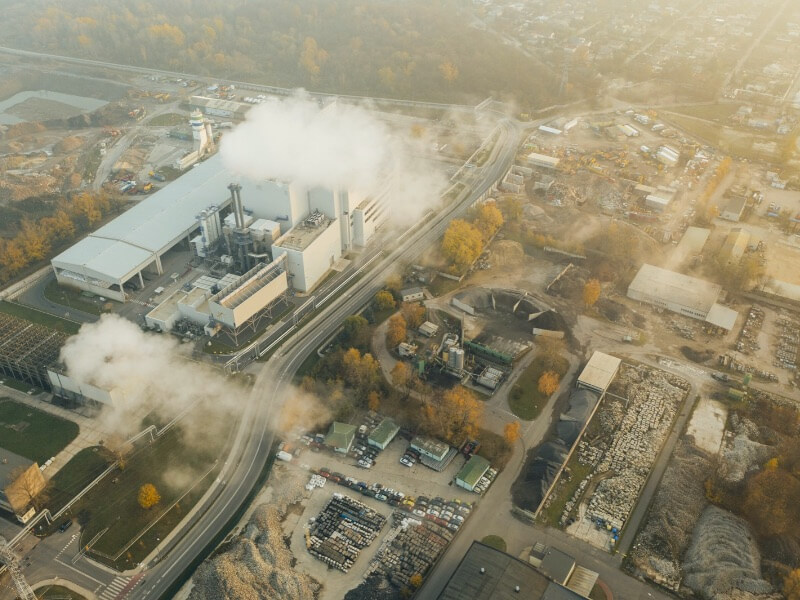
The bigger issue is that companies make profits while some of the costs of their activities are left for society to deal with.
⚫ Environmental and health costs are passed on to society
When companies do not fully pay for the costs of environmental pollution and health problems, local communities and ordinary people are the ones who suffer the consequences. This means that companies can make profits while leaving some of the costs of their activities to society.
⚫ Responsible businesses can end up losing out
If one company spends money on environmental measures while another does not pay enough to cover these costs, the second company can save money when competing in the same market. This means that businesses trying to protect the environment may be the ones who lose out, while those that do less can gain an advantage. This is hardly fair competition.
⚫ The environmental burden falls more heavily on certain communities
The effects of air pollution and water shortages are not shared equally across society. People living near factories, power stations and data centres may be affected more than others. If companies make profits while local residents have to deal with pollution and water shortages, this is not just an environmental issue. It is also a question of fairness and who has to bear the costs.
⚫ New industries can create the same problems
As new industries like AI data centres grow rapidly, we tend to focus on their convenience and economic benefits. However, we also need to think about who pays for the electricity, water and infrastructure needed to support this growth.
Conclusion

Implicit subsidies happen when businesses do not fully cover the social and environmental costs of their activities. Even without receiving direct payments from the government, they benefit financially by avoiding some of these costs.
The fossil fuel industry is a well-known example, but we should also consider the same issues when it comes to new and rapidly expanding industries like AI data centres.
When we look at the prices of goods and services, shouldn’t we think not only about how much we actually pay, but also about who pays for the costs behind them?
Until next time,
konkaz
*You can read this blog post in Japanese from the link below.
👉 暗黙の補助金(Implicit Subsidies)とは?企業が負担しない環境コストと社会への影響